I used to tiptoe past my child’s room, dreading what I’d find inside. Piles of toys on the floor, mismatched socks hiding under the bed, books stacked in wobbly towers—it felt like chaos had moved in permanently. Every time I tried to tidy up, it looked the same again the next day.
One day, I decided to change my approach. Instead of just “cleaning,” I set out to create a system my child could actually keep up with. Here’s how the transformation happened.
Step 1: The Big Clear-Out
We began by dragging everything into the center of the room. My kid had fun rediscovering forgotten treasures — including a puzzle we’d assumed was gone for good.
Together, we sorted through it: broken toys went to recycling, clothes that no longer fit went into the donation bag and favorites were set aside to keep.
Step 2: Giving Everything a Home
The breakthrough moment came when we created simple “homes” for each type of item:
-
Books on a low shelf within my child’s reach
-
Toys sorted into bins (e.g. cars in one, dolls in another).
-
Art supplies in a small basket by the desk.
We didn’t buy fancy organizers—instead we used baskets, boxes, and containers we already had. The trick was making each home clear and easy for my child to recognize.
Step 3: Making It Kid-Friendly
I realized part of the problem was that the old system worked for me, not for my child. So, we made changes together:
-
Labels with pictures (a car sticker for the toy car bin).
-
Hooks at kid-height for coats and backpacks.
-
A small laundry basket in the corner so clothes didn’t end up on the floor.
The more simple and accessible everything was, the more my child could help maintain it.
Step 4: Building Habits Together
We added easy little routines:
-
A quick 5-minute tidy time before bedtime.
-
Choosing tomorrow’s clothes each night.
-
Returning toys to their “homes” after playtime.
It wasn’t perfect at first, but with time it became second nature.
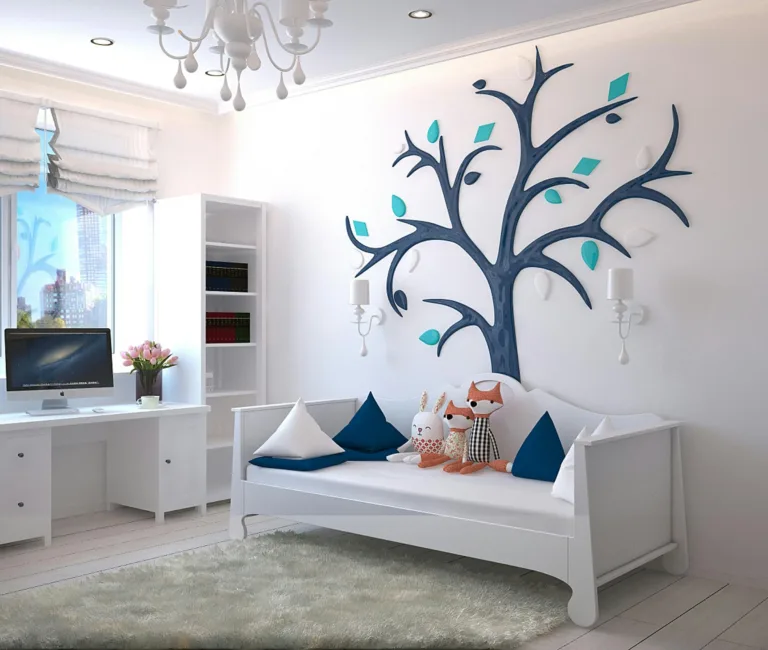
The Result: A Room That Works
When we finished, the room looked calmer and—most importantly—manageable. My child was actually motivated to keep it tidy because they knew where everything went. And for me? No more stepping on Lego pieces in the dark.
What I Learned
Organizing a children’s room isn’t about creating a Pinterest-perfect space—it’s about creating systems that kids can follow. When everything has a place, and that place makes sense to them, tidying up becomes a habit, not a chore.
Their room is now a place that brings me joy instead of a sense of dread. It is still full of energy and toys (as it should be), but it’s a space where my child can play, create, and rest—without the chaos.